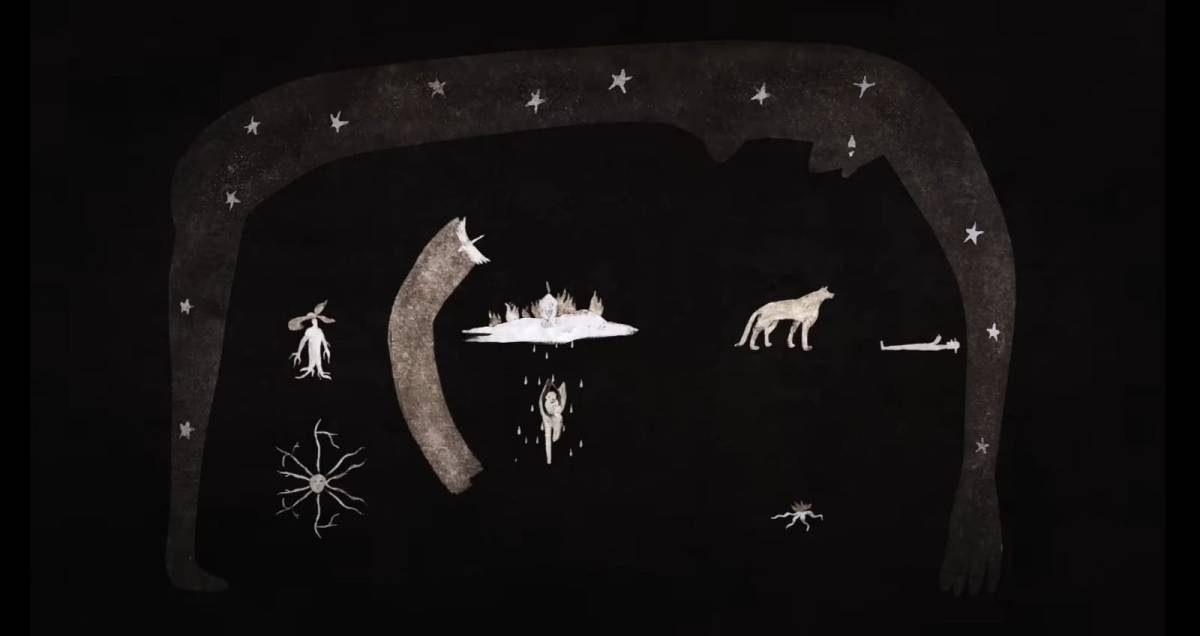
As far as literary history can go, we have always used music and literature as a medium of change. We smuggled revolutions between the verses of poems and sang hymns of freedom in the hopes it would lead us out of oppression. If there’s one person that has proven how masterful they are in merging the wonders of music and literary symbolisms in service of humanity, it’s Hozier. From “Take Me To Church” to “Nina Cried Power”, he has never shied away from singing what could be seen by many as a call to action in the service of human rights. His latest song, “Swan Upon Leda” is one such case, but to truly understand the ingenuity used by Hozier to pass along his message of support to women all around the world, we’ll have to delve a bit into the world of literature.
Table of content:
- First, let’s take a closer look at the title:
- What happens after the Myth.
- Mona Eltahawy and The Oldest Form Of Occupation.
- A merge of the present and the past.
First, let’s take a closer look at the title:
Because, who is Leda, and what does a swan have to do in any of this? Well, a lot.
In Greek mythology, Leda, once a Queen of Sparta, was tricked by Zeus when he transformed himself into a swan, and under the guise of fleeing an Eagle, injected himself into her bed resulting in sexual intercourse. For years, the motif of Leda and the swan has been a favorite of poets and artists. However, it is only recently that it has been recognized as an act of rape and violence against women instead of the erotic imagery it has been portrayed as. One of the most notable poems of that kind called “Leda and the Swan” was written by one Irish poet called William Butler Yeats who won the 1923 noble prize for literature.
Here in this song, Hozier shows us a new perspective on this tale as old as time:
What happens after the Myth.
Hozier opens up the song with the following verses: “A husband waits outside A crying child pushes a child into the night”. These words describe the theatre of birth except here its cruel nature is shown by referring to the person who is giving birth as themselves being a child, giving us the feeling that maybe they shouldn’t have been giving birth at such a young age. We can see that this is the aftermath of the myth previously mentioned with the help of one specific word used to talk about the husband in the following verse: “Without leaving so much as a feather behind”. The feather is here referring to the swan.
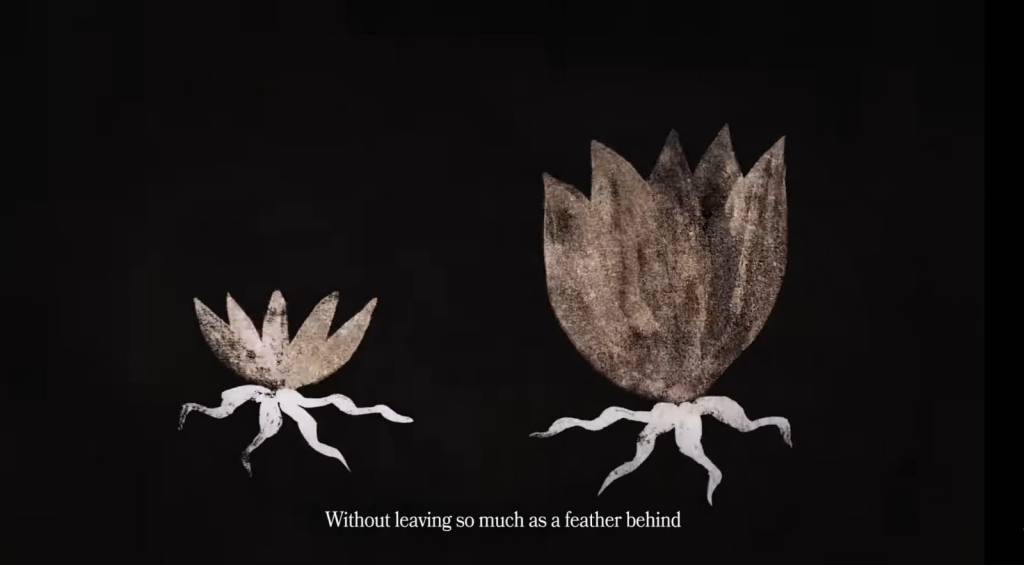
This already gives us a hint about what the song will be focusing on, mainly women’s productive rights.
With all that in mind, we can already see why Hozier chose to reference that Episode of Greek mythology but it fits, even more, when we take a closer look at Hozier’s inspiration for making his song:
Mona Eltahawy and The Oldest Form Of Occupation.
The way Egyptian journalist and author Mona Eltahawy described the systems that oppress Women as the oldest form of occupation is something that stayed with Hozier a long time after he heard her speak in Dublin and that vision is something constantly present in the lyrics of “A swan Upon Leda”. For one, he referred to the myth of Leda and the swan in lyrics such as “The swan upon Leda” present in the chorus. We also see many metaphors using the occupation of land to describe the oppression of women like in the lyrics “Empire upon Jerusalem”. I find it very fitting to use a holy city such as Jerusalem to symbolize women’s reproductive rights considering how many empires tried and failed to hold on to it permanently.
In other instances, the song paints the oppression of women as an occupation by using military imagery with the mentions of child soldiers, guns, borders, and checkpoints such as here: “Weaves through the checkpoints like a needle and thread”.
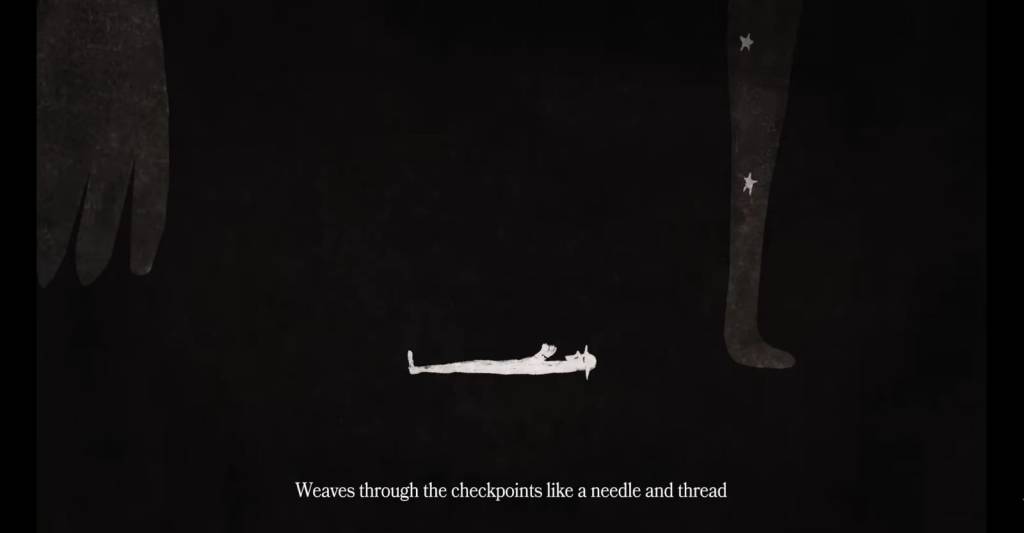
However, Hozier goes beyond just focusing on the occupational aspect of oppression. He showcases how it’s an oppression that transcends times by blurring the timeline of human history.
A merge of the present and the past.
In the description of the song on YouTube, Hozier mentions that because of the mass protests happening in Iran and Roe v. Wade being overturned, he felt now was the right time to release “Swan Upon Leda” in a show of solidarity. It is before anything, a song engaged in the present, commenting on international attacks on women’s rights but Hozier shows that in a very particular way. He draws a parallel between current events and ancient events, occasionally blurring the boundaries. Hozier expresses his stand on Roe V. Wade being overturned with the use of an ancient Greek myth as mentioned previously. He also uses the term “gateway to the word” to refer to the act of giving birth, putting it in parallel to Jerusalem and Leda.
Additionally, He expresses the injustice of forcing women to give birth as a part of the “Perfect Plan” (“To enact at last the perfect plan”).
He also talks about toxic masculinity briefly in the following verse: “One more sweet boy to be butchered by man”
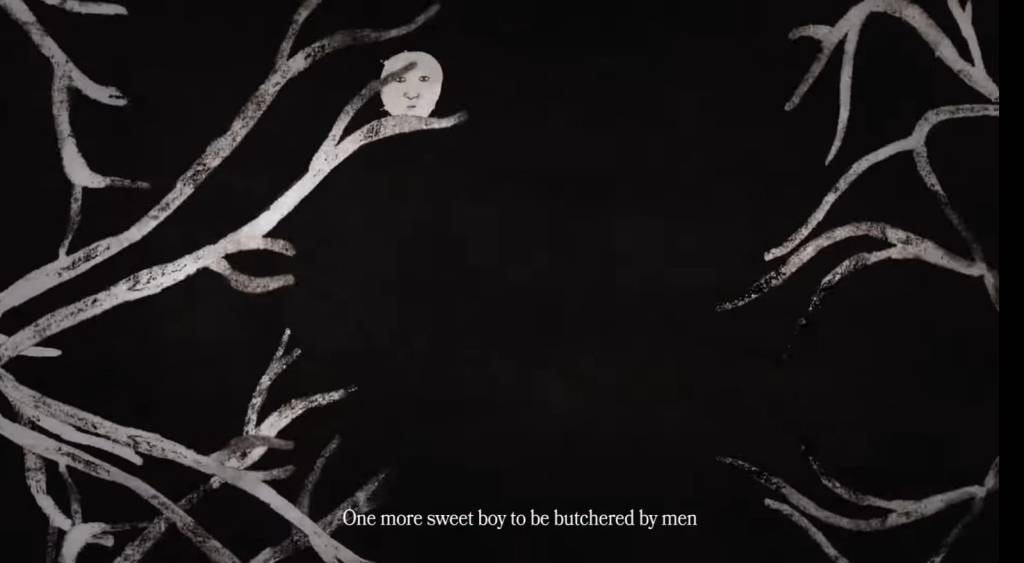
The second subject of actuality is the reproductive rights of women in Ireland. Abortion rights have been a sensitive topic in Ireland for a while with it being legalized as recently as 2018. In the following verses, Hozier draws a parallel between the Irish mythical figure of Setanta and an old woman smuggling pills that seem like they could be contraception.
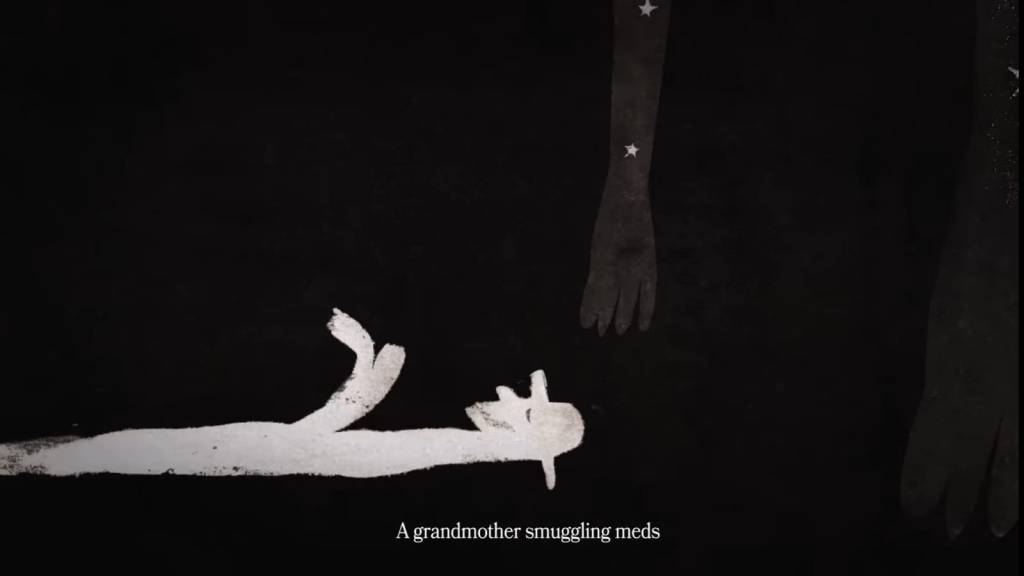
The fact that it is a grandmother and not a young woman who is smuggling the medicine is also something that shows how these issues transcend time and generations. It also exhibit a show of solidarity between women of different generations.
Finally, Hozier comments on the way certain people try to use religion as an excuse to limit the rights of women. To him, their choice to give birth would never belong to angels and had never belonged to men.
Many more can still be said about this song as the interpretations are endless, but one thing’s for sure: Hozier knows how to make a stand.

 golden cult