Categories
Entertainment Horror Literature Movies

Looking for the Future in the Past: How Horror revival brings forth a new age for the genre.

In the late 90s, if someone went to the cinema to watch a Horror movie, chances are they’d see a Slasher on the big screen, like Scream. In the late 2000s and early 2010s, chances are they’ll find themselves face-to-face with a possession Horror film like The Conjuring or Annabel. Not to say that Horror movies can be contained in one straightforward archetype per decade, or that these archetypes didn’t exist in different times. However, we can’t ignore that each cinematic era was defined by the popularity of specific tropes and narratives. This brings forth the question: what about our late 2010s and early 2020s era? What archetype emerged at the forefront of our contemporary Horror scene? According to Scream 5, a movie franchise that prides itself in its metatextuality, two trends emerge when it comes to current horror movies: the revival of classic Movies, and what is referred to as “elevated” Horror.

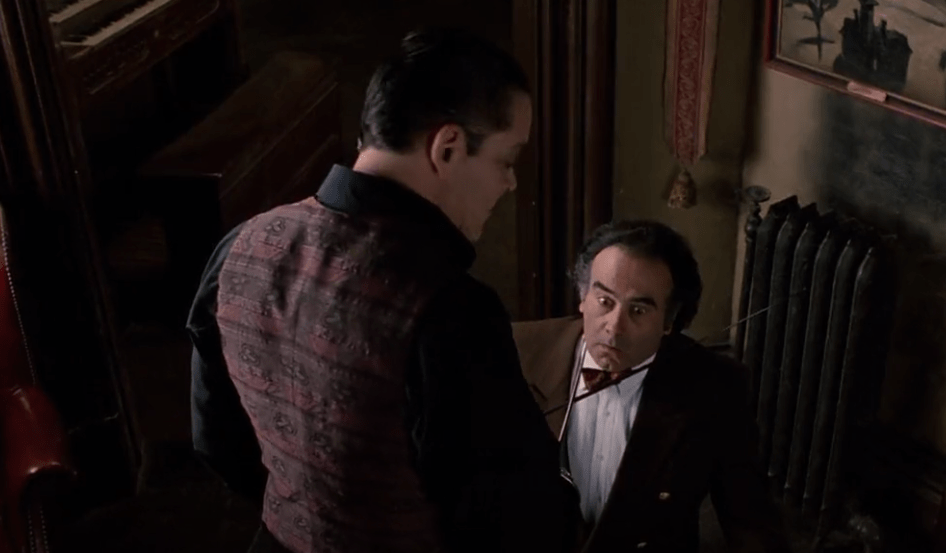
Indeed, many classics like Halloween and The Candy Man were remade for the big screen, so the Scream writers were definitely on to something. This desire for the revival of the old classics even goes beyond remakes and into the realm of original films. Even when producing new franchises, many of them attempt to appeal to the viewer’s nostalgia and pay homage to all the different styles and genres of Horror. The biggest example of that is in the Netflix Fear Street trilogy based on R. L. Stine’s book series of the same name. In each film, the viewer gets to experience different filming and narrative styles related to a specific era of Horror cinema. In the first film, Fear Street Part One: 1994, we revisit the Scream type of slasher, in Part Two: 1978, summer camp slashers are put into the spotlight, and finally Part Three: 1666 goes back in time and delves into the American gothic/puritan horror. During this trip back in time, the writers also attempt to add a social commentary about Homophobia, sexism, and social inequality, among other things, in the background. This is an example of how the revival of the classics overlaps with the second Horror trend mentioned in Scream 5: “Elevated” Horror.
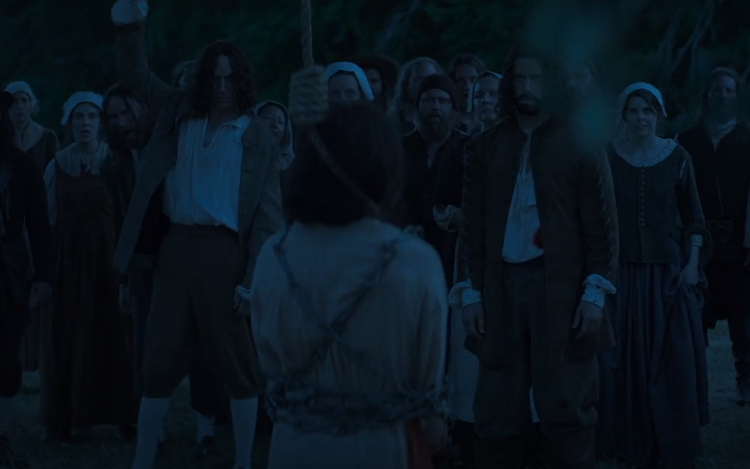
Fear Street: Part Three – 1666

While I find the term “elevated” problematic, it’s used to refer to art-house horror and social thrillers that attempt to tackle social and existentialist issues through Horror elements. Many Horror and Thriller movies produced in the past few years fit this characterization. From Get Out to Hereditary, many original movies were made to either directly, or metaphorically, represent social, psychological, and existentialist issues such as racism, generational trauma, and grief. In fact, many remakes of classical Horror movies aimed to add that social dimension to classic stories. This also extends to the adaptations – and sometimes remakes – of classic books, with The haunting anthology made by Mike Flanagan as one of the biggest examples. The famous Horror producer is even preparing an adaptation of Edgar Allan Poe’s groundbreaking short story The Fall of the House of Usher. Reusing classical Gothic stories and their different cinematic adaptations in current horror trends comes as no surprise. After all, the Gothic movement is probably the oldest predecessor of the Horror genre considering it was one of the first literary movements that had the explicit purpose of, well, horrifying its reader.  It’s only natural to re-focus on the gothic in what we spent the last few paragraphs describing as a cinematic era defined by a return to the classics. However, the grip of the past in contemporary cinematic trends goes even deeper than one might have first realized.
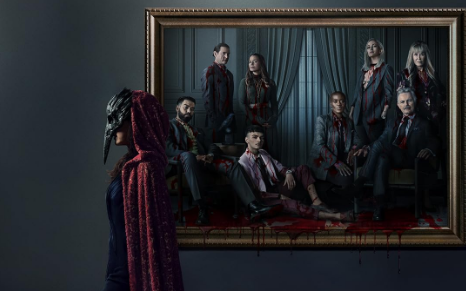
Poster: The Fall of House Usher miniseries directed by Mike Flanagan

While the Gothic genre – or any literary genre really- is one in constant evolution and expansion, it has always been about more than just fear. To many scholars, such as Maurice Levy, the gothic story was also defined by the pursuit of personal and generational quests. These quests often tackled generational conflicts and Madness like in The Castle of Otranto, the first gothic novel. They involved people being haunted by grief and trauma that showed itself through supernatural occurrences like in The Entail by E.T.A Hoffman. Sounds familiar?  Even in terms of the much younger American gothic, classic stories like Hawthorne’s The House of the Seven Gables have always used the horrifying to tackle Puritanism and the sins of the American past. All themes we see again in The Witch, one of the movies that ushered in the era of “Elevated” Horror according to an article in Vanity Fair. And here lies the problem with the use of the term “Elevated” Horror. You can’t consider horror with meaningful narratives an elevated version of the genre when the genre was always more than just spooks. The term did however help to bring this dimension of Horror back to the forefront of viewer’s minds, as the previously mentioned article point out. While the symbolic and meaningful dimension of Horror was always here, we can’t deny that it was dismissed and forgotten for a long time. This current desire to bring back attention to it and to use Horror to reflect various issues is, in itself, a revival. The revival of an older definition of scary stories. And so we see in contemporary horror the return of classical stories, but also the return of a long-lost definition of the genre. However, even this desire to go back to the past is, paradoxically, a desire of the past.

Another important feature of the Gothic that went beyond the literary movement and into the world of cinema is an accent on the past.  It’s no coincidence that the stories always took place in old, often medieval buildings. Or that the story itself is one that started in a time of old. The denomination of “Gothic” in and itself is one used to talk about medieval architecture and then the literary movement by association. This return to gone-by history played major roles in many gothic tales. In The Castle of Otranto, for example, the author, Horace Walpole, mentions in the first preface that the superstitious beliefs exhibited in the story are justified by the time when it happened. A medieval time with strange beliefs and notions. However, that return to the past and its traditions – no matter what era that past existed in – is also the expression of something else entirely. In early Gothic stories, the architectural structure, often the literal materialization of the past, ends up in ruins as part of the resolution. With that being said, we were often left with the hope of something being rebuilt from it. A better version of the castle like in The Castle of Otranto, a lighthouse to guide sailors like in The Entail… We go back to the past, appreciate what it can give us, and build something new from it. Something that belongs in a new era.
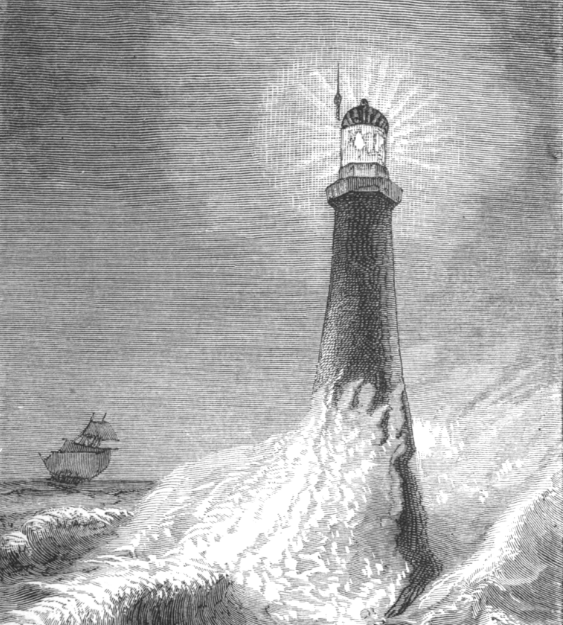
 All the storytellers that came before left something for those that came after them to use in ways they couldn’t even have imagined.  The storytellers and cinematographers of previous times didn’t have the cinematographic techniques we have in our contemporary era, the understanding we have of certain social issues, and the representation of various social groups we have now. They didn’t have certain creative geniuses we have now, the Horizon of expectations we have now. As such it would not only be unfair, but also wrong, to classify today’s Horror as simple copies and remakes. The movies mentioned previously as “Elevated” might take inspiration from the past but like those in that same past, they use it to make something new, to rebuild their own lighthouse that will guide the way to the future…
Categories
Cartoon Entertainment Horror Literature Movies

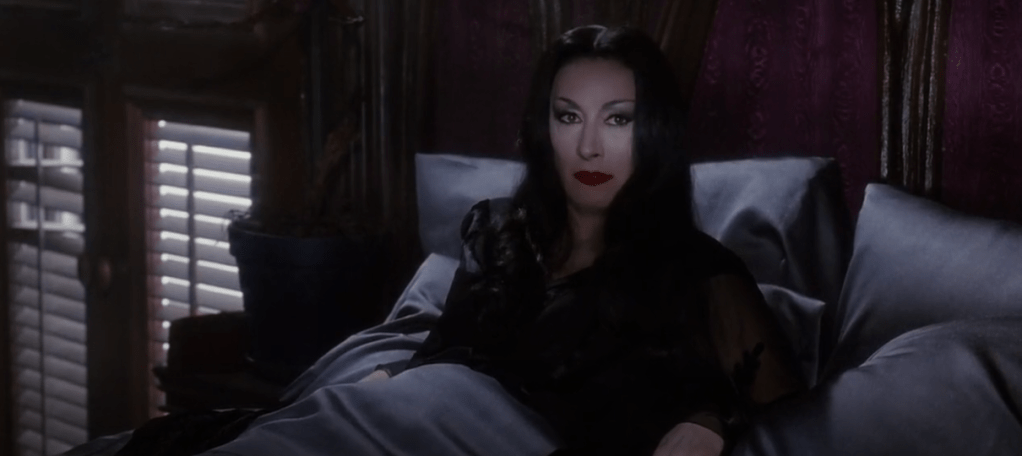
The Addams Family and Gothic love : A literary heritage.

“I examined the contour of the lofty and pale forehead – (…) – the skin rivalling the purest ivory, the commanding extent and repose, the gentle prominence of the regions above the temples; and then the raven-black, the glossy, the luxuriant and naturally-curling tresses,(…)” This passage describes Morticia Addams almost to a T. We can almost imagine Gomez penning those words, in worship of his beloved. The key word being “almost”, because this passage does not describe Morticia Addams. It is not penned by Gomez. It’s not even taken from the Addams Family franchise at all. This is a passage from Edgar Allan Poe’s Ligeia, a short story published in 1838. While it is no secret that the Addams family’s universe is heavily inspired by gothic fiction, the similarities can be seen well beyond the works of Poe, especially when it comes to the depiction of love between Morticia and Gomez. Throughout the various depictions of the Addams couple, certain defining features remain and many of them echo gothic literary motifs associated with love and all its woes. But this begs the question: What literary motifs can we observe throughout Gomez and Morticia’s relationship in the Addams family franchise and what can it tells us of the shows’ gothic heritage when it comes to the depiction of love? We’ll mainly focus on the 1991 movie and needless to say, we’ll be taking a quick look at the Gothic novel and literary movement where it all started.

Physical appearance : 

The first gothic element seen in Morticia and Gomez’s relationship can be found, as mentioned earlier, in the appearance of Morticia herself. In all of the character’s interpretations throughout the ages, she always maintains her pallor and her iconic raven-like black hair. This physical mold, when it came to feminine lovers, could be observed in E.T.A Hoffman’s The Entail with Seraphine, as its earliest introduction. This element is put forward even more in Poe’s works, considering that it was often described by love-struck narrators, as seen in the citation above taken from Ligeia. There is a lot to be said in the depiction of women in Edgar Allan Poe’s work but this short story can also show us another defining characteristic shared by both Ligeia and Morticia: strangeness. To quote the narrator of the story again, “ ‘There is no exquisite beauty,’ says Bacon, Lord Verulam, speaking truly of all the forms and genera of beauty, ‘without some strangeness in the proportion.’ ”. To many modern viewers, the Addams family’s franchise not only acknowledges Morticia’s strange beauty and sense of style but revels in it, making it an essential part of her physical characterization.

Chivalry and courtly love  : 

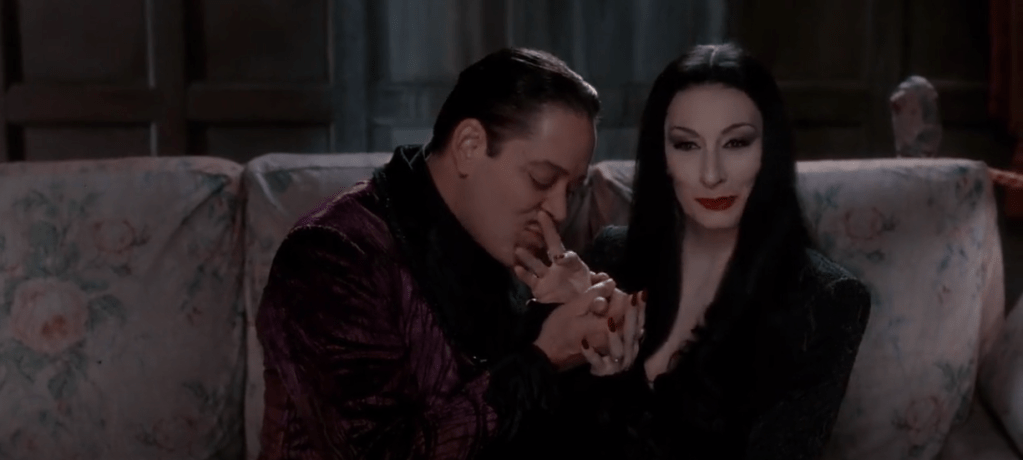
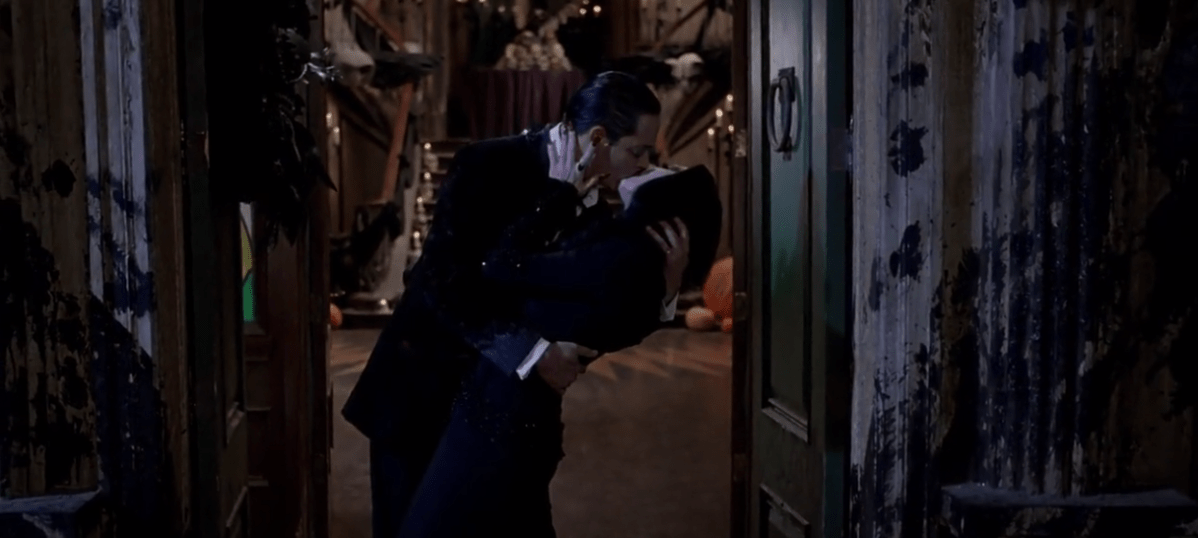
The next element is linked to the relationship dynamic between Morticia and Gomez and Gomez himself: we’re talking here about Chivalry. From the earliest work of Gothic, The Castle of Otranto by Horace Walpole, chivalry played a significant role in the depiction of love, a depiction heavily influenced by the middle ages courtly love. We can see that in the love between two characters, Theodore and Matilda, belonging to medieval times. Theodore, proclaim to the woman he loves, his wish to come to her knight and as such to kill and potentially die for her. This is a sentiment that Gomez expresses on multiple occasions but it is also a sentiment he constantly acts upon, despite the relatively contemporary time of the story. In the Addams family 1991’s film, it starts of as a comedic element, with Gomez closing the blinds with his sword because the sun irritates his beloved. In the end of the movie, however, we can see that Gomez dueled a Tully Alford to save Morticia. We can see in Gomez’s supposedly chivalrous behavior, repeated in many other movie and series in the franchise, a remnant of gothic literature in the love he shares with Morticia.

Worship and obsession : 

Finally, the most poignant aspect of Gomez and Morticia’s love is the obsession and the subsequent worship of the loved women. The worship and sacralization of women by the man that loves them are observed in early works of Gothic, often associated with courtly love. However, it is also an element featured heavily in Poe’s works. In Ligeia for example, the women’s beloved by the narrator is seen as holy of course but also intellectually superior. She is someone worthy of worship and constant attention. He can’t give up on her even after death and she doesn’t give up on him either, the strength of her love supposedly bringing her back to him. The constant physical affection and literal worship exchanged between Morticia and Gomez, echo that sentiment. The couple even express in the Addams family (1991) that even a day away from each other would be torture.

Conclusion:

The Addams Family franchise made fan swoon with just a glance at the lovely couple made up of Morticia and Gomez. Many enjoyed their slightly obsessive but incredibly charming and romantic behavior. However, throughout their display of affection, Morticia’s physical appearance, as well as Gomez’s chivalrous behavior, we can see that the franchise owes many of its romantic themes to gothic literature.

Categories
Art Entertainment Human Rights Literature Music

An act of artistic solidarity: How Hozier stand with women’s rights in “Swan upon Leda”.

As far as literary history can go, we have always used music and literature as a medium of change. We smuggled revolutions between the verses of poems and sang hymns of freedom in the hopes it would lead us out of oppression. If there’s one person that has proven how masterful they are in merging the wonders of music and literary symbolisms in service of humanity, it’s Hozier.  From “Take Me To Church” to “Nina Cried Power”, he has never shied away from singing what could be seen by many as a call to action in the service of human rights. His latest song, “Swan Upon Leda” is one such case, but to truly understand the ingenuity used by Hozier to pass along his message of support to women all around the world, we’ll have to delve a bit into the world of literature.

Table of content:

First, let’s take a closer look at the title:

Because, who is Leda, and what does a swan have to do in any of this? Well, a lot.

In Greek mythology, Leda, once a Queen of Sparta, was tricked by Zeus when he transformed himself into a swan, and under the guise of fleeing an Eagle, injected himself into her bed resulting in sexual intercourse. For years, the motif of Leda and the swan has been a favorite of poets and artists. However, it is only recently that it has been recognized as an act of rape and violence against women instead of the erotic imagery it has been portrayed as.  One of the most notable poems of that kind called “Leda and the Swan” was written by one Irish poet called William Butler Yeats who won the 1923 noble prize for literature.

Here in this song, Hozier shows us a new perspective on this tale as old as time:

What happens after the Myth.

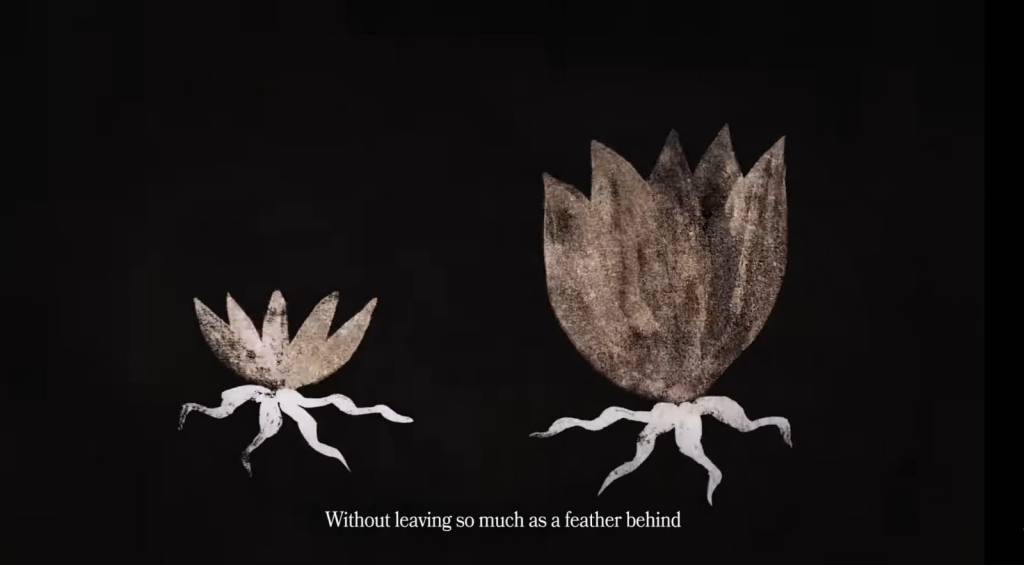
Hozier opens up the song with the following verses: “A husband waits outside A crying child pushes a child into the night”. These words describe the theatre of birth except here its cruel nature is shown by referring to the person who is giving birth as themselves being a child, giving us the feeling that maybe they shouldn’t have been giving birth at such a young age. We can see that this is the aftermath of the myth previously mentioned with the help of one specific word used to talk about the husband in the following verse: “Without leaving so much as a feather behind”. The feather is here referring to the swan.

This already gives us a hint about what the song will be focusing on, mainly women’s productive rights.

With all that in mind, we can already see why Hozier chose to reference that Episode of Greek mythology but it fits, even more, when we take a closer look at Hozier’s inspiration for making his song:

Mona Eltahawy and The Oldest Form Of Occupation.

The way Egyptian journalist and author Mona Eltahawy described the systems that oppress Women as the oldest form of occupation is something that stayed with Hozier a long time after he heard her speak in Dublin and that vision is something constantly present in the lyrics of “A swan Upon Leda”. For one, he referred to the myth of Leda and the swan in lyrics such as “The swan upon Leda” present in the chorus. We also see many metaphors using the occupation of land to describe the oppression of women like in the lyrics “Empire upon Jerusalem”. I find it very fitting to use a holy city such as Jerusalem to symbolize women’s reproductive rights considering how many empires tried and failed to hold on to it permanently.

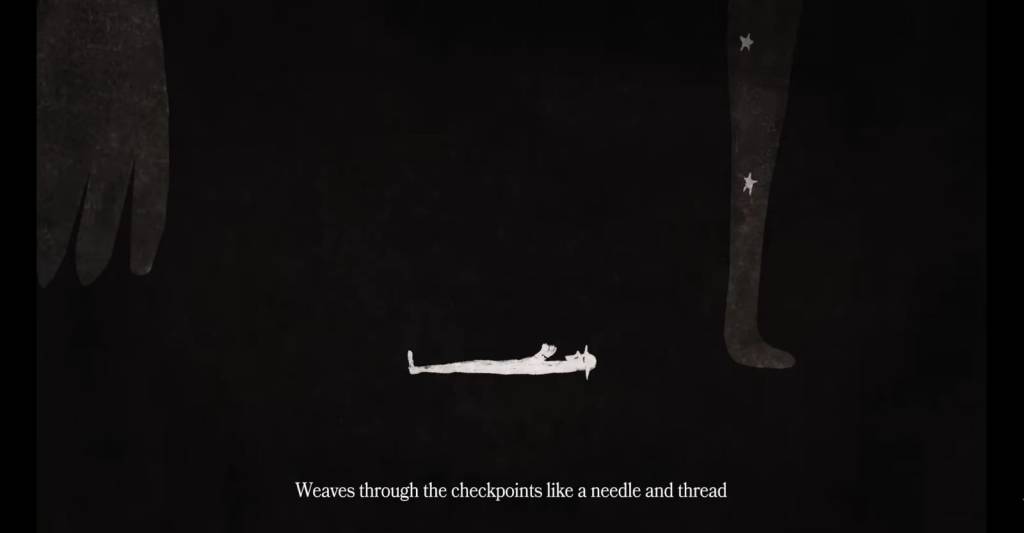
In other instances, the song paints the oppression of women as an occupation by using military imagery with the mentions of child soldiers, guns, borders, and checkpoints such as here: “Weaves through the checkpoints like a needle and thread”.

However, Hozier goes beyond just focusing on the occupational aspect of oppression. He showcases how it’s an oppression that transcends times by blurring the timeline of human history.

A merge of the present and the past.

In the description of the song on YouTube, Hozier mentions that because of the mass protests happening in Iran and Roe v. Wade being overturned, he felt now was the right time to release “Swan Upon Leda” in a show of solidarity. It is before anything, a song engaged in the present, commenting on international attacks on women’s rights but Hozier shows that in a very particular way. He draws a parallel between current events and ancient events, occasionally blurring the boundaries. Hozier expresses his stand on Roe V. Wade being overturned with the use of an ancient Greek myth as mentioned previously. He also uses the term “gateway to the word” to refer to the act of giving birth, putting it in parallel to Jerusalem and Leda.
Additionally, He expresses the injustice of forcing women to give birth as a part of the “Perfect Plan” (“To enact at last the perfect plan”).

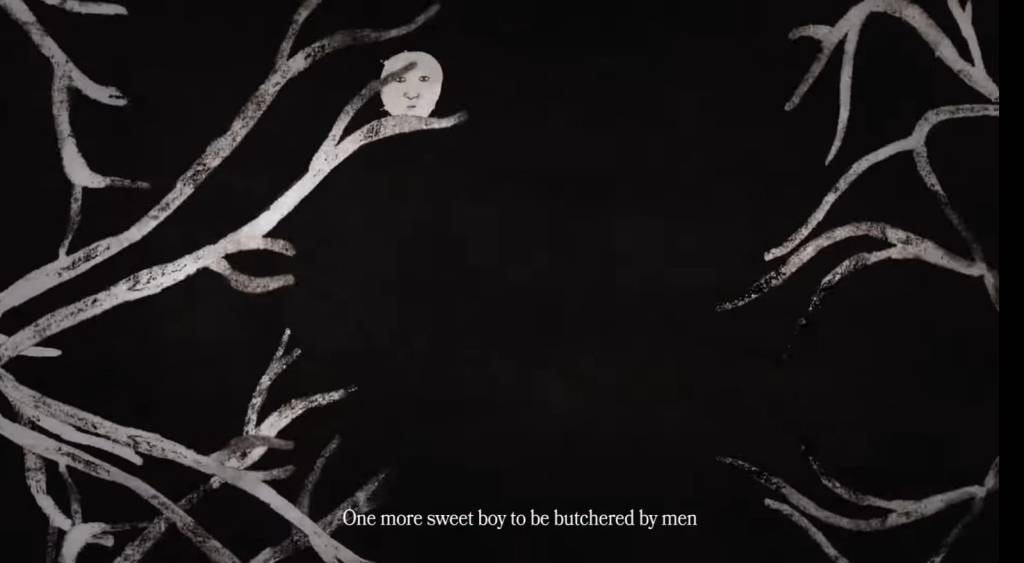
He also talks about toxic masculinity briefly in the following verse: “One more sweet boy to be butchered by man”

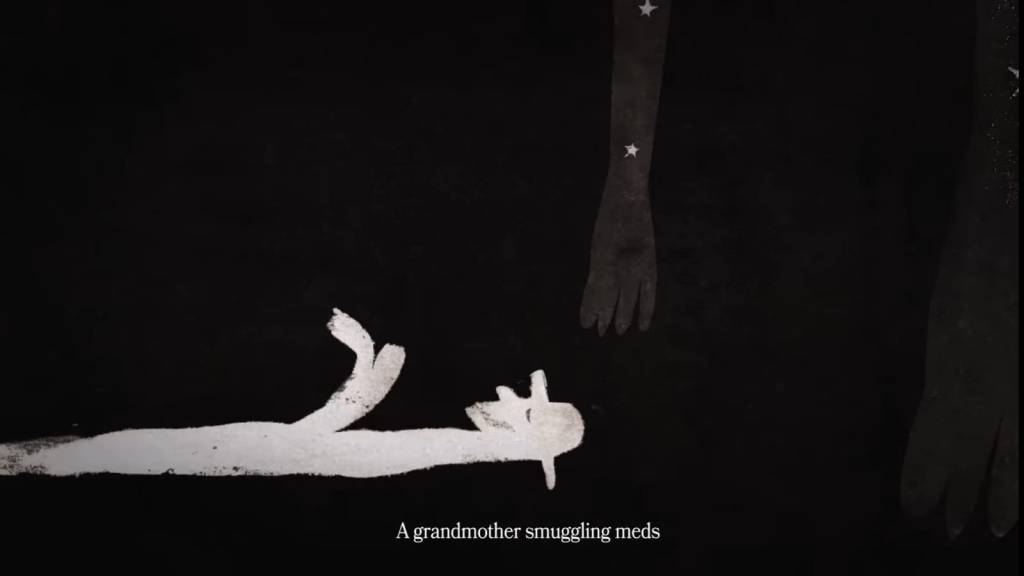
The second subject of actuality is the reproductive rights of women in Ireland. Abortion rights have been a sensitive topic in Ireland for a while with it being legalized as recently as 2018. In the following verses, Hozier draws a parallel between the Irish mythical figure of Setanta and an old woman smuggling pills that seem like they could be contraception.

The fact that it is a grandmother and not a young woman who is smuggling the medicine is also something that shows how these issues transcend time and generations. It also exhibit a show of solidarity between women of different generations.

Finally, Hozier comments on the way certain people try to use religion as an excuse to limit the rights of women. To him, their choice to give birth would never belong to angels and had never belonged to men.

Many more can still be said about this song as the interpretations are endless, but one thing’s for sure: Hozier knows how to make a stand.

Categories
Entertainment Literature

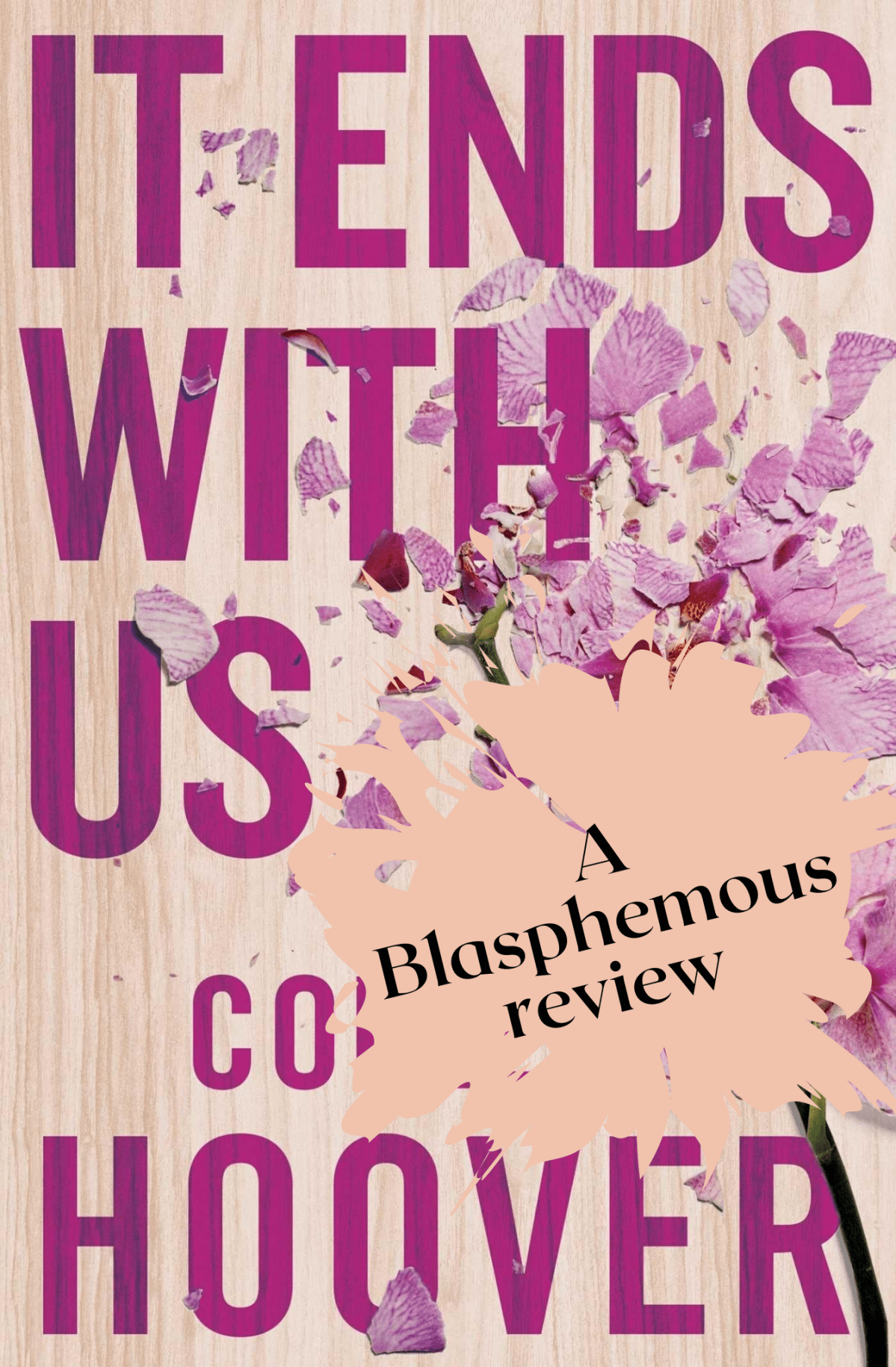
It Ends with Us: A Blasphemous Review.

A friend once asked me, « Hey what do you think is better, old books or contemporary books?”. As the owner of a literature degree, I told him there is no supremacy one has over the other and that some people only think old books are better because solely the best survived the test of time. A literary survivor bias if you will.  Now, do I think It Ends with Us by Colleen Hoover will survive the test of time? No.

I won’t claim to foresee the future, or that a book has to be a literary masterpiece for people to enjoy reading it, but when it comes to It Ends with Us, I have a lot to say, both in terms of criticism and of praise.  So needless to say, spoilers are ahead.

Table Of Content:

  1. Let’s start with what could have been done better:
  2. Now for the few things I did like:
  3. TLDR- But I also have a certain theory:

Let’s start with what could have been done better:

On an editorial level, I feel there was a wasted opportunity when it came to the format of the letters Lily was “sending” to Ellen.  I’m always sad to see contemporary romances fail to put the paratext of their books to good use, but here, it felt like the format was just good enough to get the message across. Nothing more nothing less.

I also want to say that I appreciate it when authors try to forgo the traditional flashback to tell us about a character’s past with letters and diaries being some of my favorite alternatives. However, what Colleen Hoover wrote, read neither like a diary, nor a letter. It read like your typical flashback. That’s another wasted opportunity considering the potential found in such narrative tools.

Additionally, pop culture references are tricky when it comes to contemporary books. It might be because I dislike Ellen DeGeneres or never really found Finding Nemo to be the most inspiring piece of modern fiction, but to me, these pop culture references felt cheap and unnecessary.

As for the depiction of abuse, while there was a lot I think was done well, such as the cyclical nature of abuse and the conflicted nature of loving someone who hurt you, I think there was also a lot left to be desired. For one, Lily’s inner conflicts and feelings should have been given more attention, her reaction should have been rawer and less morally “correct”. Not to mention that Ryle should have probably been left with some legal or psychological supervision instead of getting away scot-free as if he and lily had your typical divorce.

As for the writing itself, it was…okay. On some occasions, it was a bit more than okay and on certain occasions, it was a little less, but overall, the writing, a little like everything else in this book was just good enough to get the message across.

Now for the few things I did like:

First I liked the depiction of female solidarity when lily opened up about her abuse with her best friend and with her mom. I particularly liked how she came to understand her mother and stop blaming her for her abuse. That may be the only significant character development I’ve seen in the book. It’s also nice to see acknowledge that ending a cycle isn’t just good for the current generations but also for the ones to come.

I also liked how Colleen Hoover played around with what we’d usually imagine an abuser to be. She took what a lot of people would consider husband material, and showed this same man be the abuser everyone hates. All while making the homeless boy with a rough childhood the one with the healthier mindset when it comes to relationships.

If I had to describe my experience with this book, I’d say that if it was a song that came up on the radio, I wouldn’t change the channel but I wouldn’t look it up later.

It’s not the most intricate book to read when it comes to depictions of abuse, nor is it the most beautifully written or the most touching in my humble opinion. It’s just okay enough to read once. But why did so many people praise it so highly if that’s the case? Well, it could be because they genuinely enjoyed it and that’s great.

TLDR- But I also have a certain theory:

To put it simply, it ends with us is a very palatable book. The simple writing, the beautiful cover, and the heavy topic wrapped in a layer of fan-favorite Rom-com topes and smut does a great deal of help in that regard. People who’d usually feel intimidated by the complexity and the effort required to read memoirs, or nonfiction related to abuse would find It Ends with Us an easy introduction to the subject. It helps them forgo the emotional and intellectual labor needed to understand such a topic thanks to the shortcut offered by the familiar genre of rom-com.

 It teaches and entertains at the same time, the spoonful of sugar that helps the medicine go down as they say. A trick as old as time when it comes to the literary world. This makes it very appealing to a big amount of readers and introduces something new to the rom-com and young adult readers without forcing them out of their comfort zone.

Whether this is something good or not, it’s for the readers to decide, but I’d say Colleen Hoover and her editors deserve some merits for that.

Categories
Art Entertainment Literature Webcomics

Five new Webtoons original with 25+ chapters to enjoy

The storytelling medium of Webcomics and Manhwua might be considered pretty new by some, but never less, their influence seems to grow more and more as each day goes by with the webtoon platform being a key element to its popularity. With works such as Noblesse, My dear cold-blooded king, and much more, there are more than enough stories on webtoon to please anyone who wishes to delve into the world of webcomics for the first time. But what about seasoned readers who already got through all the classics? Webtoon does release its fair share of new works, in all fairness, but the amount of available content is often unfulfilling, with its three-chapter introductions. Are we forever doomed to read comics that pique our interest but leave us with little room to properly get into the story? Not anymore with the help of this list. Here are five newly released webtoon originals that both still feel fresh but got at least 25 chapters published for your enjoyment. Anyone can find their next read here, whether you’re a fan of romance, action, or mystery!

Table of content:

21st Century Knights (29 chapters):

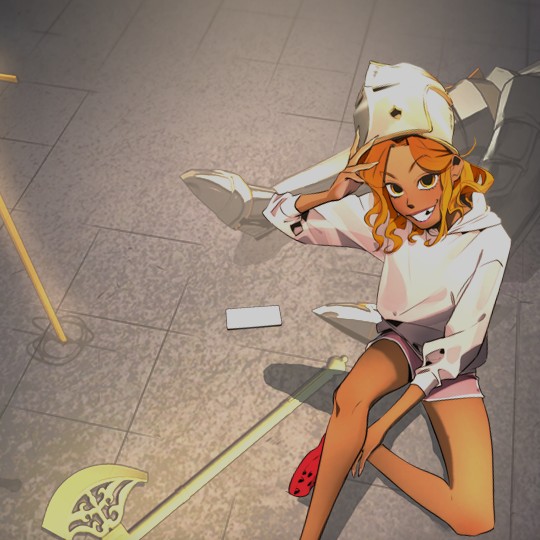
Knights make their comebacks in this action-packed webtoon. However, forget the whole swords and armor imagery, because these modern knights are gifted with a special weapon of their own called “Animas”. The strongest and most noble of all can even get the chance of joining the elite order of Knight who serves and protect the people. Luckily, Our main character Theresa would fit right in with the order, as she often undergoes the noble and chivalrous practice of coming back home in the dead of the night with blood-covered hands. Anyways. Everyone got their motivations, and Theresa would do anything she can if it means finally finding the mysterious silver-haired knight she’s been looking for. Her pursuit might lead her to something else entirely, however, something far more sinister…

Bonus points: A morally grey main character with OP and mysterious powers who always look dashing in crocs.

Nevermore (30 chapters):

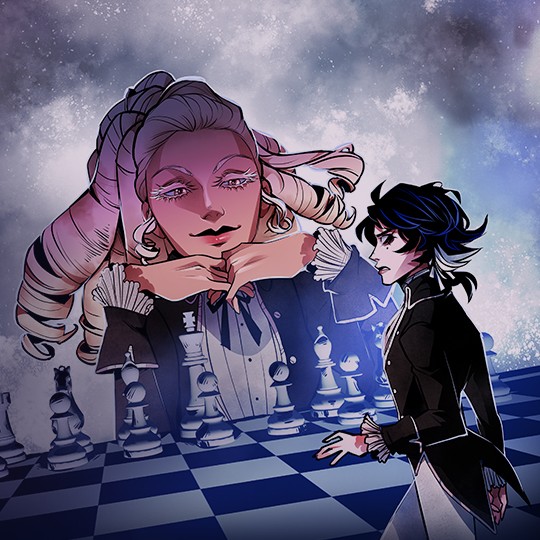
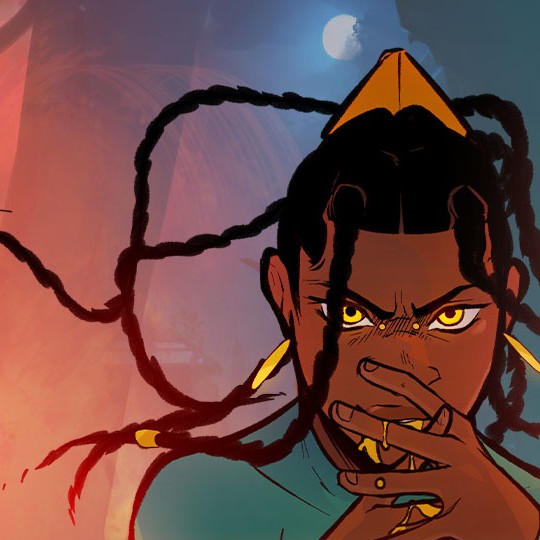
Fans of Gothic literature might have already deduced so from the title, but this Edgar Allan Poe-inspired comic takes us on an adventure into the mysterious Nevermore Academy, where graduating means a second chance at life! As our main characters Lenore and Annabel Lee have realized, this school is what lies beyond life and death. However, what lead them there and the circumstances of their tragic end are hidden behind a wall of shrouded memories. They will have to work together to uncover the answers through macabre and spectral shenanigans. The art is also mesmerizingly beautiful and does the atmospheric aspect of the Gothic genre justice. To use the words of the webtoon itself, it’s spooky, gothic, and sapphic, what more could anyone ask for?

Bonus point: The art style of this webtoon is a real treat with beautiful music and animations.

Hand Jumper (26 chapters):

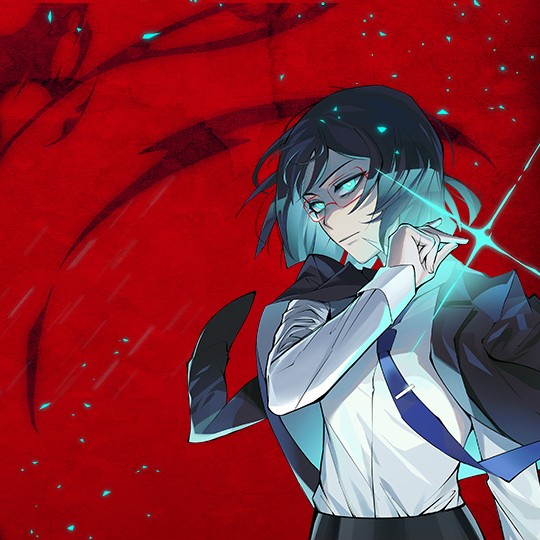
Some people here have special powers!  Everyone must be so happy with these so-called Aberrant right?…. Right? Okay, maybe not. In this universe, Aberrants are considered to be agents of chaos, menaces to society, who need to be kept in check and put to good use in the Aberrant Corps. Nobody would agree with this view of the world more than our main character Sayeon Lee, but when it turns out that she is an Aberrant herself, she gets sent to the corps, where the chances of survival are…minimal to say the least. Her special power might prove itself really useful right now if only she can figure out what it is. Cue in lots of beautifully drawn action, soul searching, ideological conflicts, and, surprisingly, family drama. In this webtoon original, nothing is as it seems but, Well, one thing’s for sure, the title of that one doesn’t make much sense really …or does it?

Bonus point: Well-done action scenes with an interesting set of characters and idealistic conflicts that gives this webtoon depth beyond a quick rush of adrenaline.

Here There Be Dragons (31 chapters):

Who doesn’t love dragons? They’re a beloved staple in the fantasy genre after all, and to this webtoon’s universe, they are the pillars that hold the world. However, one of these ancient dragons is dying and only Bree, a dragon speaker, was able to receive the dragons’ urgent warning. She must assemble a team of designated individuals to follow her on her journey to save the dragon and restore the balance of the world!

Bonus point: Glowing, immersive art fitting the fantastic world-building, found family trope, and casual trans representation!

 Señorita Cometa (26 chapters):

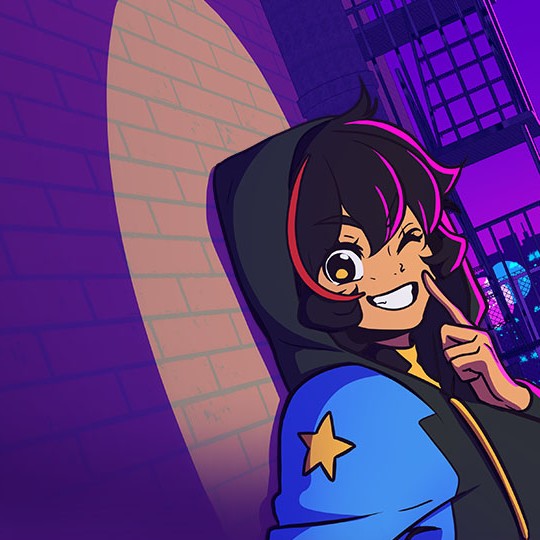
This mystery webtoon original is a perfect blend of investigative and heist fiction with its vibrant color pallet and an eccentric set of characters who delves into adventures both in and outside the law, all to help people and save those they care about. Dissatisfied with the police’s inability to find her missing best friend in a city controlled by two opposing mafias, our main character Alex decided to take things into her own hands! Using her IT  knowledge and her experience in parkour, she takes the identity of Phantom Thief Cometa and goes about uncovering the secret the city of Yoalco has to hide. Daring escapes, hidden identities, hacking, corrupted politicians, and fancy gadgets are all on the menu in this gripping story.

Bonus point: Wrapped in layers of mold-breaking characters, comedic scenes, and dynamic music, this story actually brings awareness to very serious and very real problems such as the trafficking of young women.

Honorable mentions that didn’t make the cut:

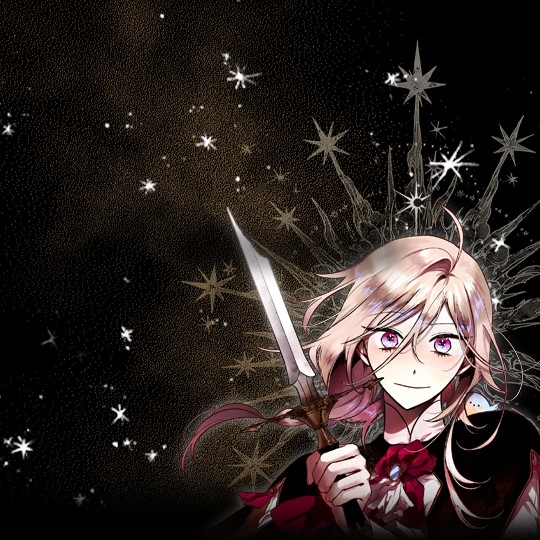
The dark lord’s confession (12 chapters):

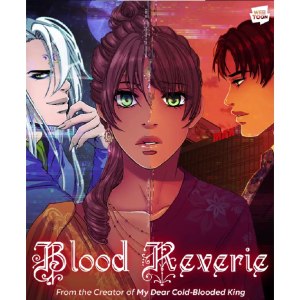
Blood reverie (18 chapters):

The products of human imagination will never cease to amaze the masses and for good reasons, so hopefully, this list will help those who thought they saw everything, find their next intriguing read.

Categories
Animation Art Entertainment Literature

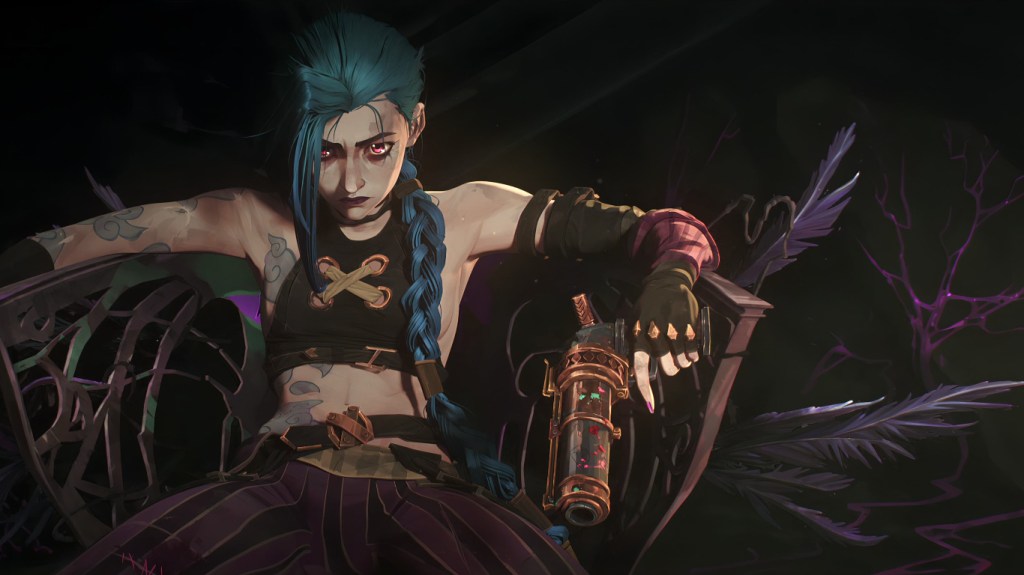
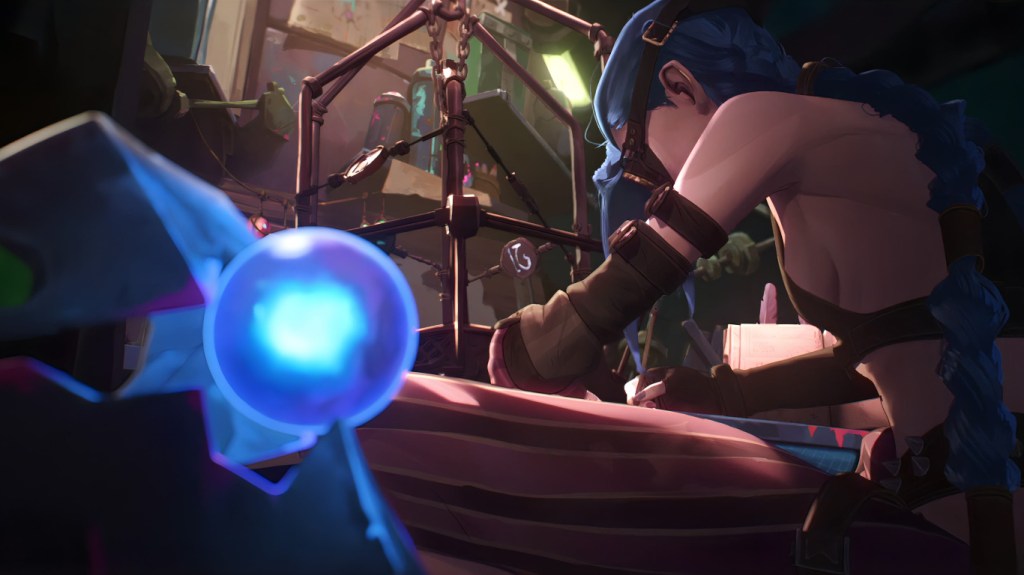
Arcane’s Jinx and the ancient Greek archetype of the tragic hero.

Storytelling, in its nature, is a group effort. We build stories upon stories, break up old ones and build something new from the pieces left, or get inspired and influenced by complex methods that migrate along different mediums to create something both new and familiarly old. This intertextual dimension has never been more apparent than in the new league of legends inspired show Arcane by Riot Games and Studio Fortiche. While there are many apparent parallels between ancient Greek theater and this show such as its theatrical narrative structure of three Acts, we’ll be focusing on one specific aspect: Jinx, one of the two sisters who this story revolves around. Following the characteristic of a tragic hero using Aristotle’s Poetic among other things, Jinx might just be a modern-day Oedipus, whose only companions seem to be misfortune and irony. But jinx is a new character, born from a creative medium that would have been unimaginable to the ancient Greeks, and as such, the way this literary archetype manifests itself in Arcane is bound to be just as uniquely familiar as jinx herself. In this article, we’ll delve into the characteristics of a tragic hero we can observe in jinx.

Spoiler warning: the following contains spoilers for Arcane season 1.

1. Jinx and the catharsis :

One of the most emblematic aspects of Greek tragedy according to Aristotle, is the concept of catharsis, the purging and manifestation of intense emotions through art, mainly pity and fear. For Arcane’s viewers, Jinx does a great job of doing exactly that. On one aspect, they are clearly meant to pity jinx because of the unfortunate circumstances of her upbringing in an oppressed Zaun, because of the traumatic experiences she went through, the loved ones she lost, and the way she’s suffering as a result of it. But on the other hand, these experiences created a jinx that is highly unstable, chaotic, and powerful but destructive. We can see that Jinx is capable of irreversible harm from the end of act 1 to the last scene that ends with her Hextech rocket headed toward the council’s chamber. Additionally, some part of the viewer doesn’t just fear jinx and her actions but also fear that what happened to Jinx, these experiences, such as the death of a loved one, which are at their core universal human experiences to some extent, might just happen to them someday, that if they were in her place they might have become the same. Ultimately, Jinx throughout her journey shown in Arcane leaves the viewer torn between crushing feelings of pity and fear, which fit exactly what is expected of a Tragic Hero.

2. Right intent, wrong actions:

Another important element of a tragic Aristotelian hero is that they are noble individuals with “pure” intent who only did wrong as a result of a human error. As shown in the first Act of the show, Jinx’s only motivation is not power or greed, it’s not revenge, or any typical « evil » goal. what drives her action is her desire to help, to be useful to those she cares about. She went after vi and vender in Act I after realizing that she can use the Hextech crystals to help them. However, because of an honest mistake, she ended up doing something horrible she didn’t intend to do. This pattern constantly repeats itself throughout the show: jinx tries to help Silco by bringing him the Hexcore, killing a dozen enforcers on the way, instinctually tries to protect Vi, and ends up shooting Silico… All of Jinx’s morally questionable actions are a result of poorly executed good intentions.

3. Heroism as an agent of tragedy:

Considering that it’s in the name, a tragic hero to Aristotle is before anything, well, heroic, but in a show of dramatic irony, it’s exactly what leads our characters to their downfall and jinx is no different. Jinx has all the characteristics associated with heroism: she has relatively good intentions as mentioned previously, she’s distinctively smart and innovative to the point where even victor praises her work, and she tries in her own way to right the wrongs of her word embodied by the oppression of Zaun.  But again, it’s these heroic characteristics that drive her to sabotage herself and even have the capacity to go through the actions that cause her pain and suffering: if jinx wasn’t smart enough to figure out how to build her own Hextec weapon in Act III, didn’t wish to honor Silico one last time and « show them all » the worth of Zaun who they wronged, things would have ended very differently.

4. The irony of fate:

One of the most marking characteristics of Greek tragedy as a whole, is the presence of an inescapable fate, a destiny dictated by distant gods. The tragic irony of these plays lies in a hero, whose efforts to escape their predestined and prophesied fate, end up fulfilling it like Oedipus who came face to face with his fate while running away from his adoptive kingdom in an effort to escape it. While we wouldn’t exactly talk about fate in a traditional sense when talking about arcane, as five by five takes puts it in their Youtube video concerning Arcane, the determinist nature of Arcane’s universe is born from power structures and institutions that were here way before any of the characters but also acknowledge the decisions of the characters themselves. For jinx, her « predetermined » role as The Jinx, was already established in her youth by Milo, almost like a prophecy, and since then jinx tried to do everything in her power to disprove that, to show that she can help those around her and that not every project she’s a part off go south. But it’s exactly that eagerness to prove herself useful, to discard her role of jinx, that ends up fulfilling it. It is also interesting to mention that considering that Arcane follows the game of leagues of legends to some extent, powder becoming jinx was also something already predetermined in that aspect by the lore.

Overall, jinx is a complex character whose heritage seems to belong to the depth of the literary world but is also the labor of love and innovation of the Arcane writers who were able to breathe a new life into old and overused concepts in a way that serves modern media and create a fascinating character you can’t help but want to know more about in the next season of the show. 


Categories
Art Literature Movies

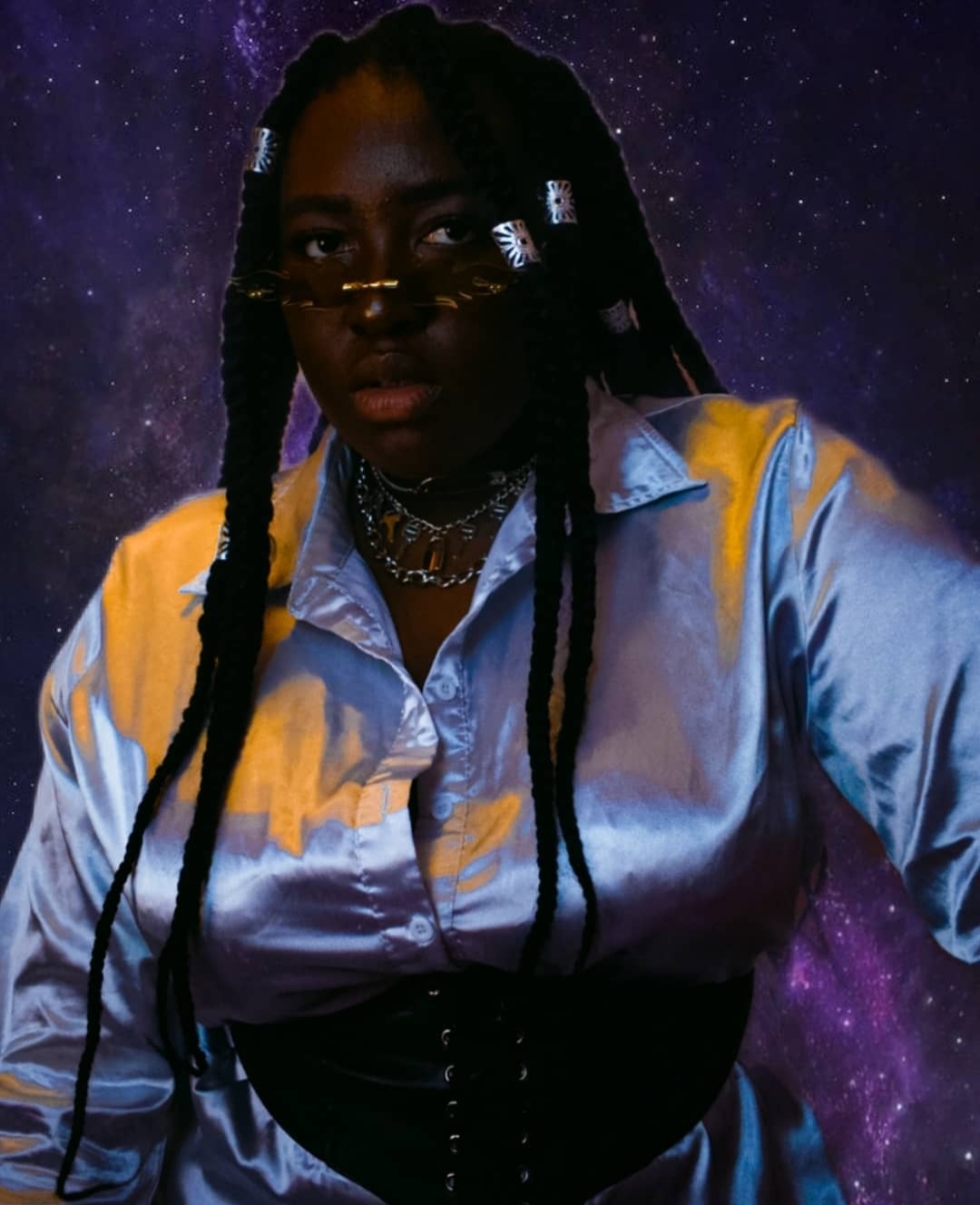
Venus Ashu, the creator behind the short movie “Grown up”, opens up about her journey, inspirations, and more.

In the halls of the Royal Holloway University, or maybe with a group of friends on a stroll in the streets of London, you’ll find a young woman who is trying to get her art out for the world to see. Venus Ashue, this 20 years old literature student, isn’t only a skillful writer but she’s also a passionate and innovative photographer and filmmaker. Her artwork consisting of a collection of photo portraits, poetry, and 1 minute short movies serves as ways to channel the beauty and the reality of life which is not often represented and they can be found everywhere from TikTok to Instagram.  But now, she’s taking her work to the next level, with her newest short film called « Grown-up ».  We went directly to the source to try and learn more about Venus Ashu and how her creative mind works.

Q: Considering that your main field of study is literature, How did you start working in filming and photography?

A: Okay so, yes I started with literature because I just wanted to be a storyteller, I’ve been telling stories for a long time, I grew up doing it. Since the age of ten, I would read a lot and just write little things and then it became something I was serious about. Then at around the end of sixth form, I saw a lot of my friends studying photography and I liked the fact that they could do all these things with photos, so I wanted to experiment and try using photography as another way to tell stories.

Q: How do you combine all of these fields throughout your projects to create your specific brand of art?

A: Funnily enough, a lot of my inspiration does come from other works of arts, sometimes music and sometimes film but a lot of times it comes from what I study of English literature. For example, Venus, one of my self-portraits [the pink one], was named after the poem Adonis and Venus by Shakespeare which we studied in class. You wouldn’t think of it, but something in that poem bought an idea to life and I was just like « yeah, I need to tell this story through photography ». So a lot of it intertwine and influence my ideas, And vice versa, my photography influence what I write.

Q: From where do you draw the inspiration you use for your work?

A: Oof, anything that just sparks my imagination. A lot of it comes from studying different forms of literature but it also comes from films and music videos. For example, f the world music video, that gave me the idea of doing my own short movie, grown-up. A kind of montage-y … what’s the word…mémoire short film. For my photography, again, it can literally be anything, from my friends to a moment that happened in my life, or like, [laughter] a scene from Narcos if you guys are familiar with that show. It starts with a plethora of treads, of ideas from everywhere and I see what I can make of them.

Q: What can you tell us about your newest short movie and what audience do you seek to reach with it?

A: My short film, it’s a coming of age, teen movie. I think it’s a genre I really like because there’s just so much going on with teenagers that people don’t understand. It’s more than just the parties and the romance and this kind of…rebellious nature. It’s a lot more, it’s the stage in life where everything is just chaotic and you’re just trying to find your feet and there‘s just so much going on. So with this short film, I really want to explore that with relationships and how it’s very difficult for teenagers to establish relationships when they’re trying to find themselves and how narcissism is involved and how toxic it can become with this whole  « me, me, me » looking for my self thing. That’s a big theme we want to talk about with this short film and what I really love about this project is that we want to be able to include loads of different people. My first short film was a lot of just my friends and people that I knew but this time I wanna work with new creators, people I have no ideas about and just be able to network with new people and showcase new talents because I feel that, that is a really important thing especially for creators of color. I really want to use TikTok as a form of advertising for it because even though It will be on YouTube, I want to be able to bring as much traffic as possible and just keep on gaining a bigger audience because these stories need to be told, especially from the perspective of creator of color. I definitely want it to be a big thing, I don’t want it to be an annual thing of just always doing these massive projects with a whole new casting crew to just completely tell new stories with new faces etcetera.

“Grow up”- Trailer

Q: what do you wish to achieve through your artworks, both in the short and the long run?

A: The reason that I do anything and the reason why I am a storyteller and do what I do, at the core, is because I want to help people and change their life. I feel like art has the ability to move us to do wonders, to move someone to feel and I think once we have the feeling, the emotions, that is energy in motion. And energy makes up everything around us and that’s just physics. Everything around us is energy and once someone has that energy, it moves them to do things, it’s a domino effect. if I’m putting out a positive message, that initiates change, then that will allow someone else to also initiate change too. I feel that this is so important in this society where everything is just … absolute crap [laughter]. At times it feels like nothing is changing but art can do that for you. It has done that for me in the past. When I watched the TV show when they see us, that absolutely moved me to tears. That energy moved me to be focused on creating art for people of color And by doing that I’m giving other people a voice. By giving people a voice they are able to express themselves which will help someone else do the same. Do you see what I mean by the domino effect? I think once we start creating art as a message, something that moves people, that makes the world a better place, that’s all we can do really [laughter], that’s a really, really amazing way to leave our footprints in the sand and allow others to do the same and join this whole journey of positivity and love and shedding light on the voices of other people. That’s what I wish to do with my art.

You can find Venus Ashu on TikTok, Instagram, YouTube, and her website :

Categories
Art Entertainment Literature Music

The French parts of “Achilles, come down”: Translations and literary analysis

Throughout the Greek mythology inspired song, “Achilles, come down”, can be heard a man saying some French phrases during the musical interludes that connects the multiple verses of the 7 minute song. Some people would attribute its presence solely for aesthetic purposes, some think there is more to it, but regardless, most fan are curious about the meanings of these words. Like many other songs such As Swan Upon Leda by Hozier, It uses many artistic and literary symbolism to get it message across and so, to find answers to our questions, some research into the world of French literature was necessary.

To start with, here is what the first series of French phrases means:

Je vois que beaucoup de gens meurent parcequ’ils estiment que la vie ne vaut pas la peine d’être vécue et j’en vois d’autres qui se font paradoxalement tuer, pour les idées, les illusions qui leurs donnent une raison de vivre. Ce qui peut être une raison de vivre est en même temps une excellente raison de mourir. »

I see that many people die because they deem that life is not worth living and I see others that, paradoxically, get themselves killed for the ideas, the illusions that gives them a reason to live. What can be a reason to live is at the same time an excellent reason to die.”

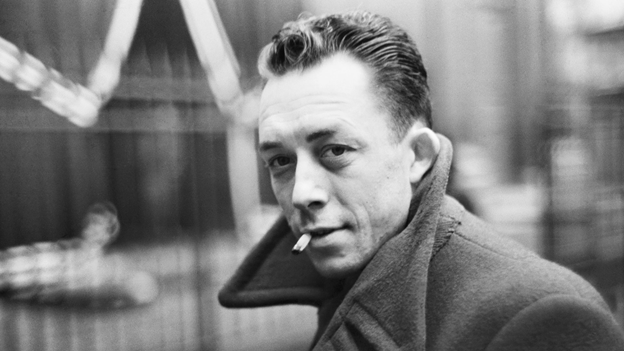
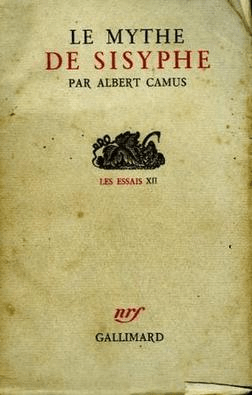
These words are a direct exert from the philosophical essay The myth of Sisyphus by Albert Camus who was a French author and philosopher belonging to the movement of absurdism.

Photograph by Henri Cartier-Bresson / Magnum

The same can be said of the second paragraph present in the song:

“D’un gérant d’immeuble qui s’était tué on disait qu’il avait perdu sa fille depuis Cinq ans, qu’il avait beaucoup changé et que cette histoire l’avait « miné ».”

“About a building manager that killed himself, people said that he had lost his daughter five years ago, that he had changed a lot and that this event “undermined” him.”

By now, it is clear that this essay by Albert Camus tackles the topic of suicide and the meaning of life as is common in the philosophy of absurdism. In fact, the book starts with the author stating that the only philosophical problem is suicide. With that in mind, we can clearly see a link between the song and all these quotes taken from The myth of Sisyphus.

Book cover of the first edition

Another interesting thing to note, is that the further the song progress, the more the quotes rises in intensity , and the closer it gets to the heart of the problem as shown by the extract present right before the fifth verse that present the conflict between the singer and Achilles intrusive thoughts:

“Des souvenirs d’une patrie perdue, de l’espoir d’une terre promise, ce divorce entre l’homme de sa vie… 

“Memories of a lost homeland, hope of a promised land, this divorce between a man and his life…”

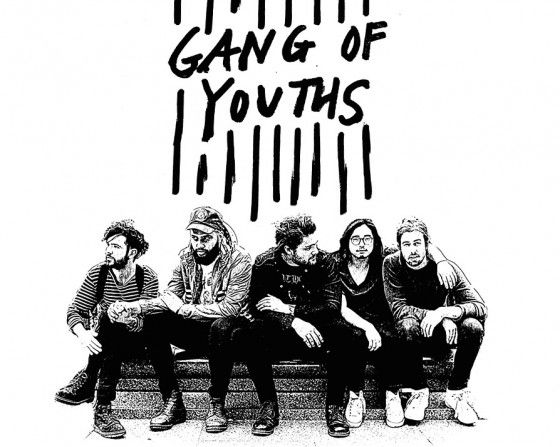
Finally, what makes these extract so fitting for this specific song is the fact that the band , Gang of youth, like Camus, opted to use an episode of Greek mythology to exhibit their answer to the philosophical problem of whether life, is in fact worth living or not. In Albert campus’s case, it was the story of Sisyphus, stuck in an absurd existence where he is doomed to roll an immense boulder up a hill only for it to roll back. As for the gang of youth case, they opted to take an episode from the lliad after the death of Achilles lover Patroclus.

In conclusion, we can clearly see that the French extract present in the song “Achilles, come down”, were specifically thought out to fit the songs and possibly the authors’ philosophical and artistic agenda.

Categories
Art Entertainment Literature

Tik Tok’s aspiring young talents: behind the typewriter.

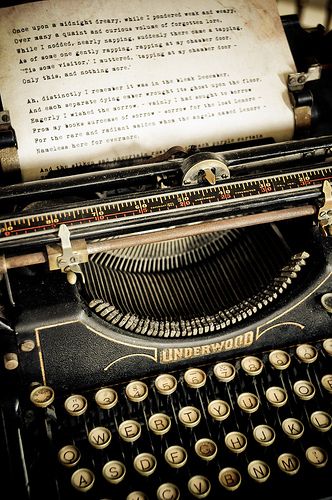
If you, like a big part of today’s youth, have passed some considerable amount of time on the social media app tik tok, you might have stumbled upon some interesting videos. In fact, for today’s youth, tik tok is quickly becoming an outlet for their creativity. While browsing the famous for your page you might have stumbled upon an interesting video of someone, writing on a typewriter some poetry, stories, or quotes. Curiosity led a lot of people wonder, who is behind the typewriter? I got in contact with Alex Caralyen the 16 years old aspiring writer behind the tik tok account @suchalostsoul and she was willing to answer some of our questions:

Q:when did you discover you had a passion for literature?

A:I think I have always used books and literature as a way to escape reality. It helped me find comfort that I was not given in my life. It might sound strange but it felt as if the characters were drying my tears when no one else would. Eventually I started writing my own comfort fiction, giving myself traits and characteristics that I deeply wished I had.while I was doing that, I realized that I was not that horrible at it. That I do have a certain way with words. And I started writing more and more because the positive reaction from my fellow peers gave me a sense of validation and certainly helped my rather broken ego. Then, around four years ago, I realized that this is what brings me joy. This is what I want to do with my life. I want to write, I want to tell stories and from there on, it became my passion and it has been ever since.

Q:what inspires the themes found in your writing?

A:Most of my poems, especially my most popular ones often center around two topics. One of them being wlw(a women loving women), which is inspired by my love for women and many of the topics featured in said poems are based, although loosely, on my relationships. I think back to moments I have experience with my current and past lovers and try to find a way to capture those emotions in a few words. Examples of such emotions are denial, rejection, heartbreak but also happiness, euphoria, a sense of belonging. The other topic is often catholic guilt. I bring this into my poetry because people seem to enjoy it very much and although it might sound shallow, I do quite enjoy seeing my poetry be liked and adored, I think most poets receive some sort of gratification from it. But the topic is also personal as I was raised Christian and grew up in a generally Christian country while being in two groups of people who were very oppressed by the church and still are in some parts of the world. So I carry this so-called catholic guilt or religious trauma. Generally , I just write about topics I experience myself. Anger at the world, uncontrolled rage, painful sorrow, a deep depression, intoxicating epiphany. The poems often are inspired by the emotional state I am in when I pick up the pen.

Q:what would you say is your favorite literary or artistic movement and why?

A:Romanticism. Both in literature and art. I adore it. The painting, and the art in general, just cause a feeling in me that is hard to describe. I find it very aesthetically pleasing and extremely beautiful. It also has many pretty women portrayed which is certainly positive. I enjoy the literature as well because I often find other literary movements dry in a way or rather tiring. I find myself and my style of writing more in romanticism than in anything else. My style is more inspired by texts and novels from those movements. I simply find it beautiful to read and it helps me improve my style further.

Q:What is one ambition you seek to achieve through your words?

A:I seek validation, in a way, a reminder that I do have a talent when it comes to literature because I cannot give myself enough validation, I do not think good enough of myself for that. I also want to just please people. I don’t need them to deeply analyze it or think of some deep and hidden meaning of it. I like Oscar Wilde’s concept on this topic, to just enjoy the art for the sake of enjoying it. Liking a poem because it sounds pretty and makes you feel warm inside. Hanging up a painting on your wall because you think it looks nice. Not everything has to have meaning, you can just enjoy it. I want my readers to like my poems and get some sense of joy out of them. At the same time, I hope that my reader resonates with my poetry, that the ones about heartbreak and denial and sadness make them feel heard and understood. Let the pain be a pain. Feel it. Of course, I don’t want anyone to feel negative emotions but it can help if you read something and no longer feel alone in the darkness that surrounds you.

Q:And finally, why the typewriter?

A:I have found that the typewriter is a good way to present my poems to people in video format. It interests them and the aesthetic effect of it makes them stay longer or, forgive me for the poor word choice, vibe with it more. It is boring for most people to just read it in a picture when you are expecting a video but the unusually beautiful presentation through the typewriter is what they enjoy, so I decided to stick with it. Also, I do love writing on my typewriter. I think it helps me to motivate myself to write, simply because it makes me feel more like an actual author than just a girl juggling around with words.

If you’re curious about Alex’s writing, it can be found on tik tok and Wattpad. All the necessary information can be found in her tik tok account.

Links: https://vm.tiktok.com/ZSXfE4RL/

Design a site like this with WordPress.com
Get started